
Table of Contents
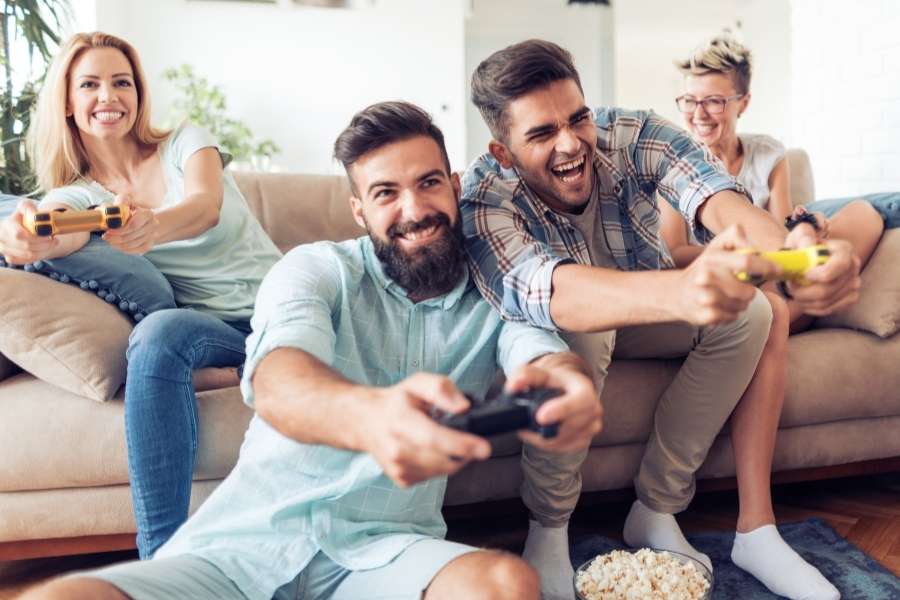
Gaming Communities aren’t just about getting that perfect headshot or clearing the hardest raids anymore. You know that feeling when you’re matched with randoms who actually have your back? When someone drops their loot to help you out, or when your squad stays up way too late just because you’re all having a blast? That’s where the magic happens. These aren’t your typical « let’s connect on LinkedIn » situations. We’re talking about friendships that sneak up on you while you’re busy trying not to die in some dungeon. The crazy part is how real these connections get. You’ll find yourself genuinely worried when your guild mate mentions they’re going through a rough patch, or celebrating harder for their promotion than some people you know in real life.
How Gaming Communities Actually Build Real Bonds
Here’s what’s wild about gaming communities: they strip away all the usual social BS. No one cares if you’re wearing designer clothes or driving a fancy car when you’re all trying to figure out this impossible boss fight. What matters is whether you can keep your cool when things go sideways, if you’ll stick around when the team’s struggling, and whether you’re the type who celebrates everyone’s wins or just your own.
When you’re in the middle of a heated match, people’s true colors come out fast. You see who panics, who steps up, who blames everyone else, and who keeps the team laughing even when you’re getting demolished. It’s like a personality test disguised as entertainment, and somehow you end up knowing your teammates better than coworkers you’ve sat next to for years.
The cooperative gaming experience hits different because you’re actually depending on each other. When someone saves your character from certain doom, there’s this instant gratitude that goes beyond game mechanics. You remember who had your back, who gave you their last health potion, who stayed patient while you figured out the controls.
Why Your Brain Actually Bonds Over Gaming
Your brain doesn’t distinguish between virtual teamwork and real teamwork when it comes to building connections. That rush you get from a perfect team play? The relief when someone clutches a round? The shared frustration of a close loss? All of that triggers the same bonding chemicals that create friendships in any other context.
Online gaming friendships develop without the weird social rules that make meeting people so awkward. Nobody’s judging your small talk skills when you’re focused on strategy. Age gaps that seem huge in normal life become irrelevant when a 16-year-old is teaching a 40-year-old how to optimize their build. Geographic boundaries disappear when you’re all in the same voice channel at 2 AM, laughing about some ridiculous glitch.
Trust Gets Built One Game at a Time
Every time someone shows up when they said they would, shares resources instead of hoarding them, or admits they messed up instead of blaming lag, they’re proving they’re reliable. These little moments add up faster than you’d think. Before long, you realize you trust these people with more than just your K/D ratio.
Multiplayer gaming relationships grow through repetition and consistency. When someone’s always down to help with that weekly quest, remembers what you’re working toward, or checks in when you haven’t been online for a while, they’re showing the same caring that marks good friendships anywhere else.
Gaming Communities Become Hangout Spots
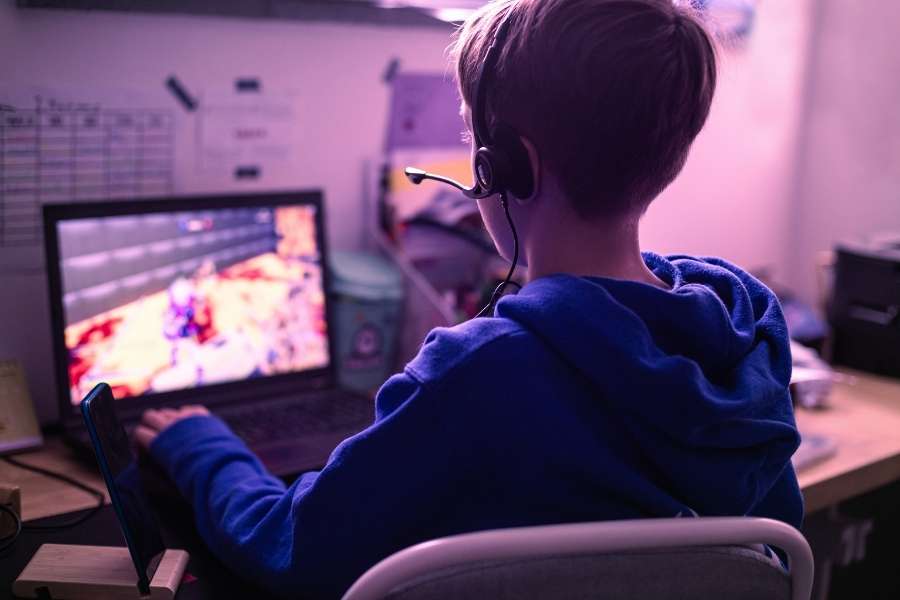
Discord servers have basically become the new local bar, except everyone’s welcome and the conversation never stops. You jump into voice chat to plan a raid, but end up talking about everything from work stress to weird dreams to that series everyone’s binge-watching. Gaming communities create these casual spaces where relationships can develop naturally, without the pressure of formal social events.
These platforms let friendships breathe and grow at their own pace. Someone might share a funny video, another person chimes in with their own story, and suddenly you’re all deep in conversation about life stuff while absent-mindedly farming materials or waiting in queues.
Distance Becomes Irrelevant
Gaming community friendships laugh in the face of geography. Your best gaming buddy might live three time zones away, but you probably talk to them more than your next-door neighbor. These relationships prove that shared interests and compatible personalities matter way more than sharing the same zip code.
The global gaming community accidentally creates this amazing cultural exchange program. Your guild probably includes people from different countries, and you end up learning about holidays you’ve never heard of, foods you want to try, and perspectives that expand how you see the world. All while trying to coordinate raid times across multiple time zones.
When Gaming Crews Become Support Systems
The most surprising thing about gaming communities is how they evolve into genuine support networks without anyone planning it that way. People start sharing real struggles, celebrating actual achievements, and offering advice that has nothing to do with gaming. The trust built through countless gaming sessions creates a foundation for deeper conversations.
Online gaming support groups form organically when community members realize they’re dealing with similar life challenges. Students stress-testing before exams, parents juggling work and family, people navigating health issues – these communities become spaces where understanding and encouragement flow naturally.
Stories That’ll Make You Believe
The best proof that gaming communities create real friendships comes from the stories that sound too good to be made up. Like the WoW guild that collectively took time off work to attend their raid leader’s wedding. Or the Destiny clan that organized care packages when one member lost their job. Or the countless people who met through gaming and ended up being each other’s best man or maid of honor.
Gaming friendship success stories often involve people discovering that their online chemistry translates perfectly to real life. They’ll travel across countries to hang out, plan group vacations around gaming conventions, or simply maintain friendships that outlast jobs, relationships, and major life changes.
Leadership That Actually Matters
Good gaming community leadership creates environments where authentic connections can flourish. The best guild leaders, clan organizers, and server admins understand that managing people isn’t about barking orders – it’s about building a culture where everyone feels valued and heard. They shut down toxic behavior quickly and reward the kind of teamwork that makes gaming fun for everyone.
Community management in gaming requires emotional intelligence as much as organizational skills. Great leaders recognize when someone’s having a rough day, celebrate individual improvements, and create opportunities for quieter members to contribute. They understand that a tight-knit community beats a skilled but dysfunctional group every time.
Dealing with the Not-So-Great Parts
Let’s be honest: gaming communities can attract some real jerks. Toxic players, trolls, and people who take competition way too seriously can make spaces feel hostile instead of welcoming. But here’s what’s encouraging – the communities that prioritize positive relationships have gotten really good at handling these issues.
Dealing with toxicity in gaming has evolved from just « mute and move on » to creating systems. That protect good community members while encouraging better behavior. The best communities have zero tolerance for harassment, clear consequences for poor sportsmanship, and active efforts to maintain inclusive environments.
Learning to Communicate in Digital Spaces
Gaming communities teach communication skills that transfer surprisingly well to other parts of life. You learn to be clear and concise when explaining strategies. To listen actively when coordinating with teammates, and to manage conflict when disagreements arise. Many people discover they’re better at digital communication than face-to-face conversation.
Digital communication in gaming forces you to read between the lines of text chat. Interpret tone in voice communication, and navigate group dynamics with people you’ve never met in person. These skills become valuable in remote work situations, online learning environments, and other digital social contexts.
What’s Next for Gaming Friendships
Gaming communities keep getting better at connecting people who’ll genuinely enjoy each other’s company. Virtual reality is making shared experiences more immersive. Better voice chat eliminates communication barriers. Social features help people find others with compatible play styles and personalities.
The future of gaming relationships probably involves even smarter matchmaking that considers personality compatibility alongside skill levels. Imagine algorithms that can tell you’re likely to become friends with someone based on communication patterns. Game preferences, and social behavior rather than just matching you for similar rankings.
Gaming as a Model for Digital Communities
The success of gaming communities in building real relationships offers lessons for addressing loneliness and social isolation in broader society. These communities prove that meaningful connections can form around shared activities and common goals, regardless of traditional social barriers.
Social innovation through gaming demonstrates that technology can enhance human connection when it’s designed to bring people together rather than just connect them superficially. Gaming communities show what’s possible when digital platforms prioritize authentic interaction over engagement metrics.
Next time you find yourself in a really good gaming session where everyone’s clicking, the conversation flows naturally, and you’re actually bummed when it’s time to log off, pay attention to that feeling. You might be witnessing the start of friendships that’ll surprise you with their depth and longevity. Who knew that chasing digital achievements could lead to discovering real human connections worth more than any rare loot drop?

Facebook Comments