
Table of Contents
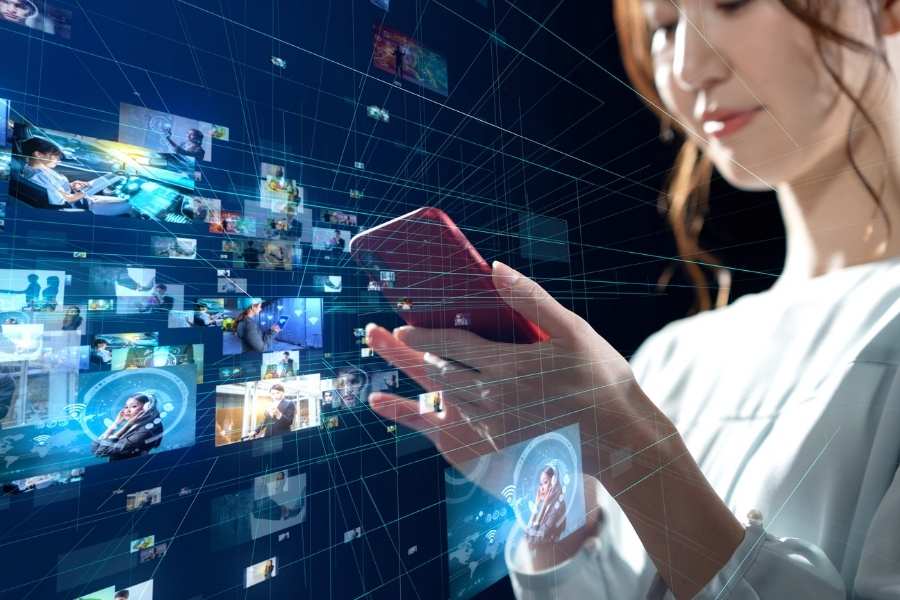
Visual communication owns us now, whether we admit it or not. I mean, look at yourself right now. You probably skipped half the text posts on your feed today but stopped dead for that weird meme or colorful chart. That’s not laziness. That’s your brain doing what it does best.
We’re all basically walking visual processors pretending to be readers. Your brain gobbles up a photo in milliseconds but needs actual time to work through sentences. It’s wild when you think about it. A crying-laughing emoji hits different than typing « that’s really funny, » doesn’t it?
The whole game changed when everyone got smartphones. Suddenly my mom’s sharing infographics about gardening, teenagers are learning history through TikTok dances, and your boss explains quarterly reports with pie charts that actually make sense. Visual storytelling techniques aren’t fancy marketing tricks anymore. They’re how normal people talk now.
Here’s what blew my mind: scientists say we process images 60,000 times faster than text. Sixty thousand times! While you’re still figuring out the first word of this sentence, your brain already catalogued every visual element on this screen. No wonder reading feels slow sometimes.
Why Your Brain is Obsessed with Pictures
Your eyeballs are basically high-speed internet while your reading brain is still on dial-up. That’s not an insult to anyone’s intelligence. It’s just biology being weird and wonderful.
Visual communication strategies work because they shortcut all the mental gymnastics. Remember those airplane safety cards with the little cartoon people? Nobody reads the fine print, but everyone gets « put on your own oxygen mask first » from those simple drawings. That’s smart design meeting human nature.
Stanford did this study where they showed people the same information two ways. Visual learners remembered 65% after three days. Text-only people? Ten percent. Ten! That’s barely better than forgetting completely.
But the memory thing isn’t even the coolest part. Visual communication design triggers feelings that words can’t touch. You know how looking at old photos makes you feel things before you even remember what happened? That’s your brain making connections faster than conscious thought.
I’ve seen grown adults tear up looking at childhood book illustrations. Try getting that emotional punch from a bulleted list.
Colors Are Basically Mind Control
Red makes you hungry. Blue makes you trust banks. Yellow screams for attention like a toddler in a grocery store. These aren’t random connections your brain invented during a fever dream. They’re hardwired responses that go way back.
Digital visual communication uses this psychology everywhere. McDonald’s didn’t pick red and yellow because they looked pretty together. Those colors literally make you feel hungrier and more impatient. Meanwhile, Facebook picked blue because Mark Zuckerberg is colorblind to red and green, but also because blue whispers « safe space for your personal info. »
Sharp corners suggest speed and innovation. Rounded edges feel friendly and approachable. Apple figured this out years ago. Their older products looked like friendly robots while everyone else was making angry rectangles.

Work Got Visual Real Fast
Remote work broke the old rules overnight. Suddenly you’re trying to brainstorm through a laptop screen with Karen from accounting who forgot to unmute herself again. Visual communication skills went from bonus points to basic survival.
I watched teams struggle for months trying to recreate conference room energy over Zoom. The ones who figured out visual collaboration first? They actually got better at working together than before. Shared screens became whiteboards. Digital sticky notes replaced those endless email chains.
Business visual communication isn’t about making prettier PowerPoints. It’s about turning abstract ideas into something everyone can see and understand. The best project managers I know draw more than they write. They sketch workflows, diagram problems, and use colors to show priorities.
Amazon’s famous memo system isn’t actually walls of text. Those six-page documents use visual hierarchy, white space, and clear structure to guide your brain through complex ideas. Jeff Bezos didn’t ban PowerPoint because he hates slides. He wanted people to think visually about presenting information.
Data Finally Makes Sense
Excel spreadsheets used to be torture devices disguised as productivity tools. Rows and columns of numbers that might as well have been hieroglyphics for most people. Visual communication tools rescued us from that nightmare.
Now your sales dashboard shows performance as mountain peaks and valleys instead of endless decimal places. Customer satisfaction appears as color-coded heat maps rather than statistical tables. Visual communication methods turned data from punishment into insight. Finally.
The best part? You don’t need a statistics degree to spot trends anymore. That weird spike in complaints jumps out when it’s a red cliff on your chart. The connection between marketing spend and sales becomes obvious as two lines dancing together across time.
School Finally Gets It
Traditional education was basically medieval torture for visual learners. Sit still, listen to lectures, read thick textbooks, regurgitate information on tests. Thank goodness that’s dying out.
Educational visual communication works because it matches how kids actually think. Some need to see concepts in action. Others need to build things with their hands. Most need both, plus some movement and probably snacks.
Khan Academy cracked this code completely. Sal draws while he talks, using simple visuals to explain complex math. Kids who failed algebra suddenly get calculus because someone finally showed them what numbers actually do instead of just talking about formulas.
My nephew learned more about World War II from a single interactive timeline than from months of textbook chapters. That’s not because he’s lazy or has attention problems. Visual learning just clicks for him.
VR Makes Everything Cooler
Virtual reality in classrooms sounds like science fiction but it’s happening now. Students walk through ancient Rome, manipulate DNA strands, explore ocean trenches. Digital visual communication creates impossible experiences that textbooks never could.
But teachers need new skills for this visual world. Visual communication skills now include design thinking, technology platforms, and understanding how different visuals affect learning. The best educators became content creators without realizing it.
Augmented reality adds another layer of magic. Point your phone at a chemistry textbook and molecules start dancing in 3D. History comes alive when battle scenes appear on your desk. These aren’t gimmicks. They’re bridges between abstract concepts and real understanding.
Social Media Changed the Game
Every platform speaks its own visual language. Instagram wants perfect squares and Valencia filters. TikTok rewards authentic chaos and trending sounds. LinkedIn prefers subtle professionalism with just enough personality to seem human.
Social media visual communication means reading these unwritten rules and adapting fast. What works on Facebook dies on Twitter. Pinterest loves vertical images while YouTube demands horizontal thumbnails.
The scroll-stopping power of great visuals decides everything. People make engagement decisions in split seconds based purely on what catches their eye. Visual communication strategies separate viral content from digital tumbleweeds.
Think about your own scrolling habits. What makes you pause mid-swipe? Probably unexpected colors, weird compositions, or visuals that promise interesting stories. Content creators who nail these elements build audiences while others shout into empty rooms.
Influencers Mastered Visual Storytelling
Professional influencers turned visual communication methods into actual careers. They understand that authentic visual stories build more trust than any traditional advertisement. Their success proves effective visual communication beats expensive marketing every time.
The biggest influencers develop signature styles you’d recognize anywhere. Consistent colors, composition tricks, visual elements that scream their personal brand. This strategic approach to visual communication tools turns regular people into walking, talking marketing machines.
But fake gets spotted instantly. Audiences smell manufactured authenticity from miles away. They’ll scroll past perfect but soulless content to engage with something real and visually interesting. Personality beats polish every single time.
The Future Looks Crazy
Visual communication is about to get seriously weird in the best way. AI creates custom graphics from text descriptions now. Your grandma could describe her dream vacation and get professional travel brochures without touching design software.
Immersive visual communication through VR and AR is escaping gaming and entering real life. Architects walk clients through buildings that exist only in computers. Medical students explore human bodies with impossible detail. Shopping means trying on clothes virtually or seeing furniture in your actual living room.
Haptic feedback lets you feel what you see. Online fabric shopping where you actually touch texture. Virtual museums where you sense the weight of ancient artifacts. Visual communication strategies will engage every sense, creating experiences that stick in memory like real events.
AI Gets Creative
AI-powered visual communication tools handle the boring stuff so humans can focus on big ideas. Smart systems generate social media graphics, presentation slides, marketing materials based on what actually works with different audiences.
Smart visual communication design platforms test everything automatically. They adjust colors for demographic preferences, resize graphics for different platforms, try visual elements until something clicks. This data-driven approach makes professional-quality visuals available to everyone.
But here’s the weird part: as AI gets better at creating compelling visuals, human authenticity becomes more valuable. The challenge isn’t making pretty pictures anymore. It’s keeping real human connection in an increasingly automated world.
Visual communication rewrote the rules for sharing information. From work presentations to classroom lessons, from social posts to emergency alerts, visuals carry most of the meaning in daily life now.
People and companies mastering these evolving visual communication skills keep winning while others fall behind. Sticking with text-heavy, visually boring communication today is like bringing a flip phone to a smartphone convention.
So here’s my question for you: in a world that expects information to be instant, emotional, and visually compelling, what’s your plan for staying relevant?

Facebook Comments