
Table of Contents
Picture opening your closet and actually liking what you see. No more staring at piles of clothes thinking « ugh, nothing fits right » or « when did I even buy this? » Just pieces you love that work together like they were meant to be friends. That’s what got me hooked on the sustainable fashion revolution – finally having a wardrobe that makes sense.
Here’s something that’ll blow your mind: companies churn out 100 billion pieces of clothing every single year. Meanwhile, most of us wear maybe 20% of what’s hanging in our closets. It’s bonkers when you think about it. All that shopping, all that money spent, and we’re still doing the « nothing to wear » dance every morning.
The whole capsule wardrobe thing isn’t about becoming some minimalist robot who owns five identical outfits. It’s about being smart – buying clothes that actually play well together, that you’ll reach for again and again, that make getting dressed feel easy instead of like solving a puzzle.
But here’s what nobody tells you: building a wardrobe that actually works requires ditching pretty much everything the fashion industry has taught us about shopping. Ready to flip the script?
Why Your Closet Matters More Than You Think
The sustainable fashion revolution happened because people started connecting the dots between their shopping habits and what’s happening to the planet. Fashion isn’t just about looking cute anymore – it’s become this massive environmental mess that we’re all accidentally part of.
The fashion industry uses more water than anything except farming. It pumps out 10% of all carbon emissions globally. Every time we toss barely-worn clothes, we’re feeding a system that’s literally eating the planet alive. Not exactly the legacy most of us want to leave behind.
But here’s the cool part – every time you buy one great piece instead of three crappy ones, you’re basically giving the finger to fast fashion. Companies notice when customers start caring about things like fair wages and eco-friendly materials. Your wallet has way more power than you realize.
Think about it: if the average piece of clothing gets worn seven times before getting donated or trashed, what would happen if everything in your closet got worn 50 times? Or 100? That’s not just better for the environment – it’s also way better for your bank account.
Once you start thinking this way, shopping becomes less about instant gratification and more about making moves that’ll pay off for years. You start seeing clothes as investments instead of impulse purchases.
Sustainable Fashion Revolution : Quality Beats Quantity Every Single Time
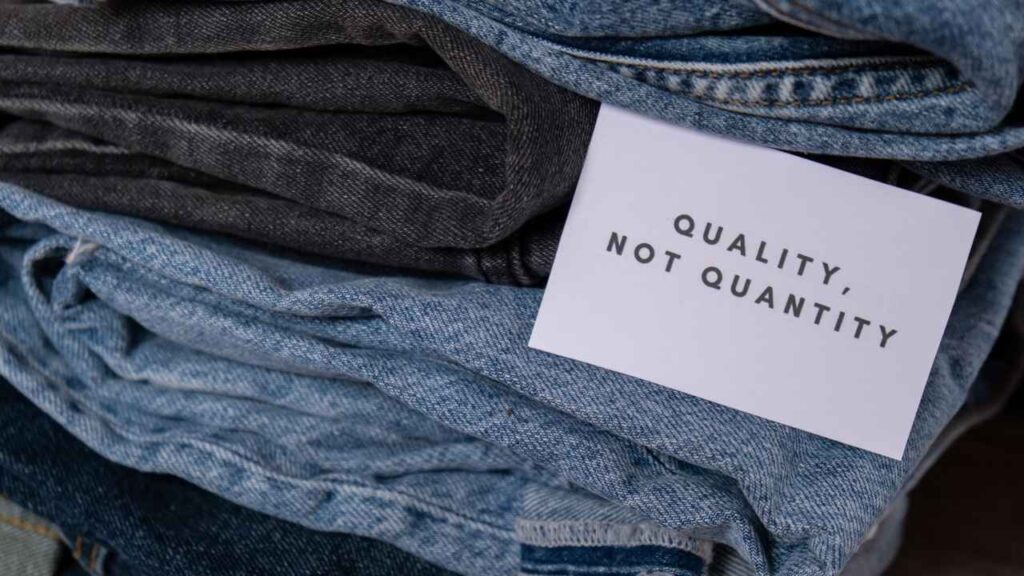
The backbone of the sustainable fashion revolution is pretty simple: buy less stuff, but make sure that stuff is actually worth owning. Sounds obvious, but it goes against everything retail has trained us to do.
Learning to spot quality isn’t some mysterious skill – you just need to know what to look for. Start with how clothes feel in your hands. Good fabric has weight to it, not that flimsy, papery texture you get with cheap stuff. Natural fibers like cotton and wool usually age better than synthetics, getting softer and more comfortable over time.
Check the details that actually matter. Are the seams straight? Do the buttons feel solid or like they’ll fall off if you look at them wrong? Test zippers before you buy because nothing ruins your day like a zipper that gets stuck halfway up.
Here’s some real talk: that shirt that costs three times more than the mall version? It’ll probably last ten times longer. Which makes it way cheaper in the long run, plus you won’t look like you slept in your clothes after the third wash.
The upfront cost might make you wince a little, but quality pieces earn their keep. You spend less time replacing things that fall apart and more time enjoying clothes that actually work.
Why Having Less Makes Everything Easier
Something weird happens when you pare down your wardrobe – suddenly getting dressed stops being this daily struggle. There’s real psychology behind why capsule wardrobes work so well for people’s sanity.
Ever wonder why some super successful people wear basically the same thing every day? Steve Jobs and his black turtlenecks, Mark Zuckerberg and his gray t-shirts – they weren’t making fashion statements. They were saving their brainpower for bigger decisions by eliminating the small ones.
You don’t need to go full uniform mode, but the idea works. When everything in your closet plays nicely together, you stop standing there paralyzed by too many options. You just grab whatever feels right that morning and know it’ll look good.
A minimalist wardrobe forces you to get real about what you actually like wearing. Without all the random impulse buys and trend pieces cluttering things up, your real style starts to emerge. You figure out what cuts make you feel confident, which colors make you glow, what level of fancy matches your actual life.
This clarity changes everything about shopping. Instead of guessing what might work, you develop this intuition about what belongs in your wardrobe and what’s just going to become another expensive mistake hanging in your closet.
Plus there’s something really satisfying about owning fewer things but absolutely loving each one. You start noticing quality and craftsmanship in ways that’s impossible when you’re drowning in mediocre stuff.
Sustainable Fashion Revolution : Building Your Foundation Without Boring Yourself
The best capsule wardrobes aren’t those perfectly coordinated Instagram fantasies – they’re practical systems built around how you actually live your life. So first things first: get honest about what your days really look like.
Are you in video calls all day or mostly out and about? Do you live somewhere with real seasons or is it pretty much always warm? Are you constantly traveling or mostly local? Your answers to these questions should shape everything about what belongs in your wardrobe.
Start with basics that don’t make you yawn. Well-fitted jeans that make you feel good, pants that work for both casual and slightly dressy situations, a white button-down that’s crisp but not boring. Add some t-shirts in cuts that actually flatter you instead of those boxy ones that make everyone look like they’re wearing their dad’s clothes.
Layering pieces are where you really multiply your options. A great blazer can transform everything from jeans to dresses. Cardigans and lightweight sweaters help you adapt to changing weather and dress codes. One amazing coat can make your whole outfit look expensive while keeping you warm.
The color coordination part is where things get fun. Pick three or four neutral colors that look good together, then add one or two accent colors for personality. This way almost everything works with everything else, creating tons of outfit combinations from way fewer pieces.
Find pieces that do double or triple duty. A blazer that works over a dress for dinner and with jeans for weekend errands? That’s earning its closet space big time.
Getting Creative With What You Have
This is where the sustainable fashion revolution gets really exciting – turning a reasonable number of clothes into what feels like an endless wardrobe. The secret isn’t buying more; it’s getting creative with mixing things up.
Balance is everything when you’re combining pieces. Flowy top? Pair it with fitted bottoms. Structured jacket? Great with a soft dress. This creates visual interest and flatters pretty much every body type, regardless of what’s trending.
Color mixing becomes intuitive once you stick to your chosen palette. Neutrals like black, white, navy, and gray get along with everyone and everything. Add patterns slowly with simple stripes or subtle prints that don’t compete with your solid pieces.
Layering completely transforms basic pieces. That white t-shirt? It’s a totally different outfit under a slip dress, with a blazer over jeans, or layered under a sweater. Each combination creates a distinct look using the same foundation.
Accessories are your secret weapons. The same black dress reads professional with pearls and heels, or casual with a denim jacket and sneakers. A silk scarf can elevate the most basic outfit or add sophistication to business wear.
The goal isn’t creating wildly different looks every day – it’s having options that feel fresh and work for different situations, all using pieces you genuinely enjoy wearing.
Sustainable Fashion Revolution : Handling Seasons Without Losing Your Mind
Dealing with seasonal changes doesn’t mean overhauling your entire closet four times a year. The sustainable fashion revolution is all about smart seasonal rotations that keep your core pieces working year-round while adapting to weather changes.
Instead of completely switching everything out, focus on strategic additions and subtractions. Your best pieces should work across multiple seasons with the right layering. That white button-down looks great under a summer blazer or layered under a cozy sweater when it gets cold.
Transitional pieces become your MVPs when weather gets unpredictable. Light cardigans, medium-weight jackets, and scarves help you adapt without needing completely separate wardrobes for each season. These items extend the life of your existing pieces while keeping you comfortable.
Storage doesn’t need to be complicated. Use breathable garment bags for delicate stuff, cedar blocks for wool pieces, and clear containers so you can actually see what you’ve stored. Swap pieces based on actual weather patterns, not arbitrary calendar dates.
Aim for about 80% of your wardrobe working across multiple seasons, with only 20% being season-specific pieces like heavy coats or summer sundresses. This cuts down on storage headaches while making sure you’re prepared for whatever weather throws at you.
Shopping Smarter, Not Harder
Changing how you shop is probably the biggest part of joining the sustainable fashion revolution. It’s about replacing those « oops, bought three things I don’t need » moments with purchases that actually make your wardrobe better.
The 24-hour rule saves you from so much buyer’s remorse. When something catches your eye, wait at least a day before buying it. This cooling-off period helps you figure out if you actually need the piece or just got caught up in the moment. For expensive stuff, wait even longer.
Before you shop, figure out what specific gaps exist in your current wardrobe. Missing a versatile jacket for unpredictable weather? Need better work pants? Shopping with a purpose prevents you from accumulating duplicates and makes sure each purchase actually serves a function.
Learning to spot quality gets easier with practice. Look for good construction, quality materials, and classic styling that won’t look dated next season. Think about the real cost of ownership too – a piece that needs dry cleaning might not fit your lifestyle, no matter how nice it is.
Do some homework on brands that match your values. Lots of sustainable fashion companies are open about their labor practices, environmental efforts, and supply chain ethics. Supporting businesses that care about the same things you do makes every purchase feel better.

Facebook Comments